
From the Blog
Passover
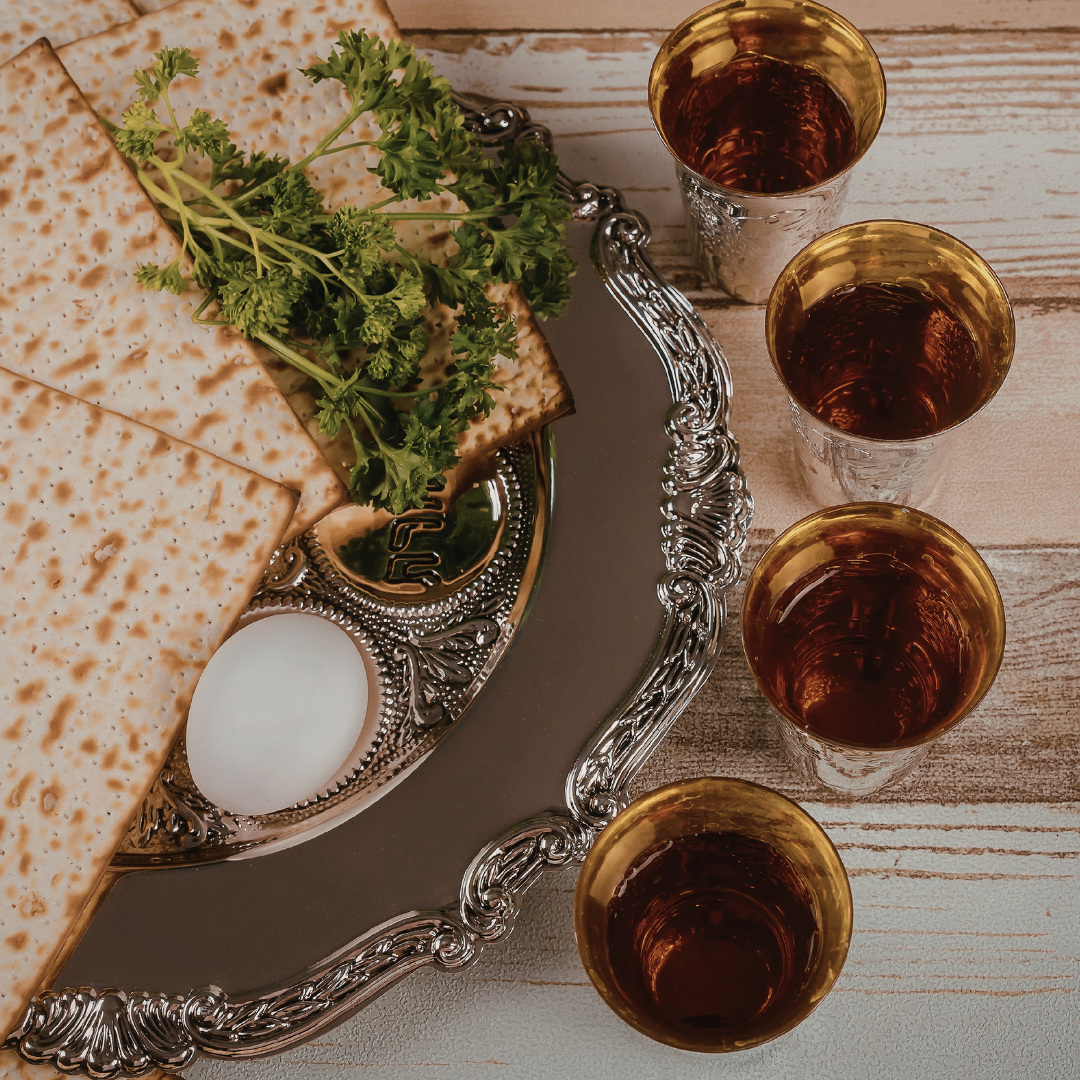
What is Passover?
Spring is just around the corner, New Pi friends! With longer days and warmer weather comes one of the most meaningful holidays in the Jewish calendar: Passover. Celebrated over eight days and often overlapping with Easter, Passover is a holiday deeply rooted in tradition, storytelling, and of course, FOOD! Some historians and theological experts even believe that the Last Supper was a Passover meal. If you’re curious about what Passover is all about, here is a quick dive into its history and the symbolism behind the foods that are eaten. If you’ve ever seen The Prince of Egypt, you may already be familiar with the central story behind the holiday (and if you haven’t seen it, you need to!).
There are links to various recipes for the dishes mentioned throughout this article!
What exactly is a Seder?
The Seder is a ritual, ceremonial meal that comes before a traditional dinner. During this time, the biblical story of the Exodus is retold, the journey of the Hebrews from slavery to freedom from Egypt. Seder means “order,” and the evening follows a set structure as families gather around the table, read from the Haggadah, ask questions, and eat symbolic foods. Each part of the story is paired with prayers, songs, and wine, creating a meaningful yet fun retelling through both words and actions.
What goes on the Seder plate?
Lots of things! Seder plates are specially designed to hold the ceremonial foods used during the Passover Seder. Interpretations of each item can vary by family and community, so included here are the most commonly shared foods in the United States and their meanings.
The traditional foods include:
Karpas: A green vegetable, usually parsley, symbolizing both the flourishing of the Hebrews and the arrival of spring. Karpas is dipped into salt water to remind us that even in times of growth and joy, it’s important to remember the tears shed during slavery.
Charoset: A tasty mixture of apples, nuts, and cinnamon, bound together with wine, or honey, or both. Charoset symbolizes the bricks and mortar used by enslaved Hebrews to build structures in Egypt.
Maror: A bitter herb, typically horseradish, representing the bitterness of slavery.
Zeroa: A shank bone that symbolizes the sacrifice made the night the Jewish people left Egypt.
Beitzah: A hard‑boiled egg, symbolizing the themes of springtime and renewal.
Wine on Passover
During the Seder, four cups of kosher wine are consumed, representing the four promises God made to the Hebrews according to Exodus. Each cup is drunk at a specific point in the evening. Wine plays a central role in many Jewish celebrations. It is often said that wine gathers all that is good, allowing us to literally “drink in” the goodness. However, not all moments of the Seder are joyful. During the retelling of the Ten Plagues, wine is spilled to acknowledge the suffering that occurred. This act symbolizes that joy is diminished by the suffering of others, even enemies. Traditionally, a finger is dipped into the wine, and ten drops are placed onto the Seder plate, one for each plague. This wine is not consumed, as wine is meant to be drunk only for blessings and celebration.
But wait...what about the Matzo?!
One of the most well‑known Passover foods is matzo. While it doesn’t appear on the Seder plate itself, matzo plays a central role in the Passover Seder. Traditionally, pieces of matzo are wrapped in a cloth and placed at the center of the table to be shared. Before the Seder begins, a piece of matzo is broken and hidden somewhere in the house for children to search for. This piece, called the Afikoman, is meant to be eaten as the final “dessert” after the meal. Children who find it are often rewarded, making it a fun and meaningful tradition.
During Passover, Jews are forbidden from eating leavened bread. This tradition also comes from the Exodus story, when the Israelites fled Egypt so quickly that their bread did not have time to rise. As a result, they ate flat, cracker‑like bread. Basically, what we now know as matzo!
Since Jewish people are forbidden from eating leavened bread during Passover, they’ve found tons of ways to get creative with matzo recipes – matzo brei, matzo kebab, matzo mina, matzo fried chicken, and of course matzo ball soup to name a few.
What’s for dinner?
For actual dinner, what Jewish people eat varies widely by their community, family, and kosher preferences. However, the main thing is no leavened bread! Here are a few dinner staples you might see at a Passover dinner.
Roasted Vegetables
Salads
Gefilte fish
Flourless chocolate cake and candy for dessert
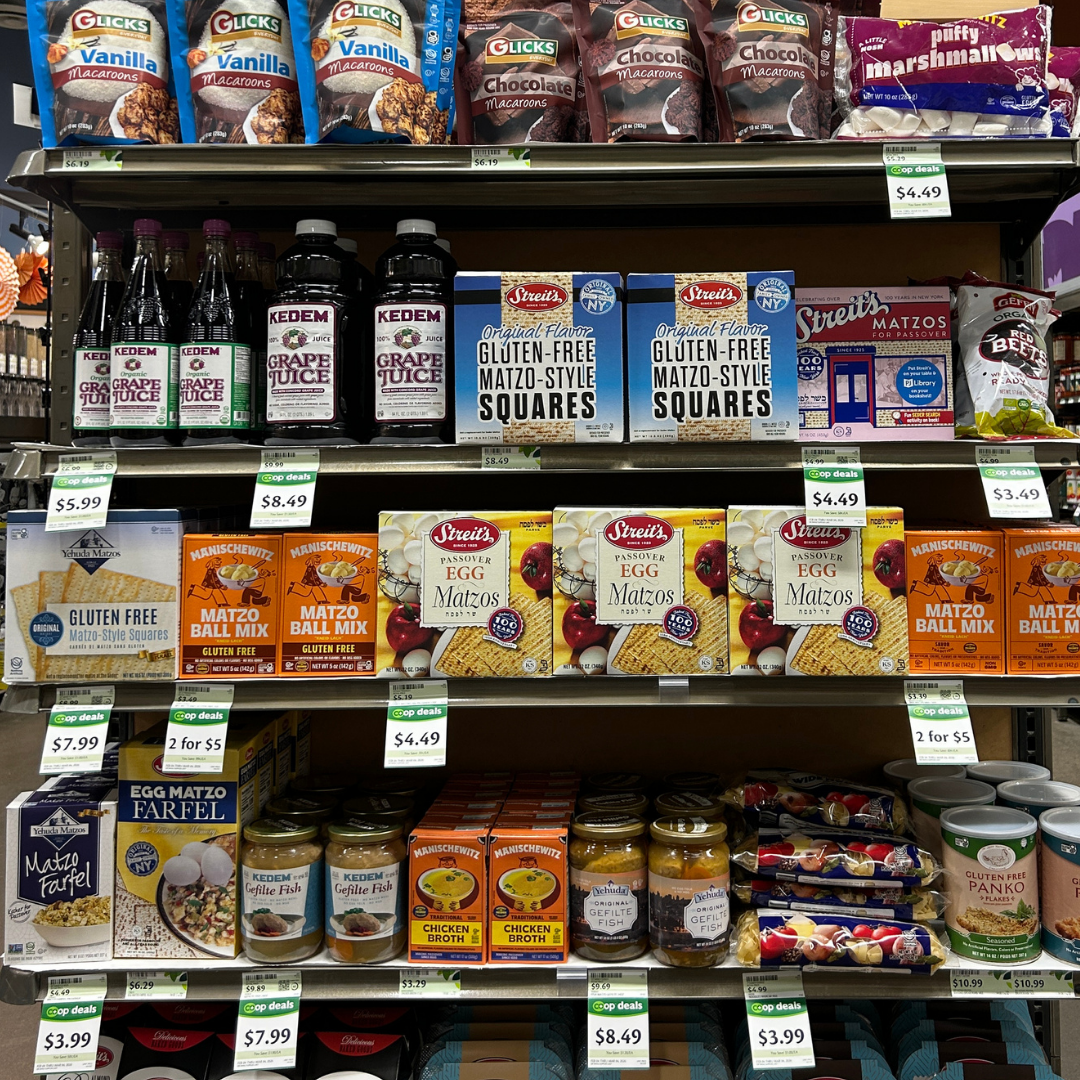
Passover is a holiday that invites reflection, relaxation, gratitude, and connection, and reminds us of the importance of remembering the past while celebrating renewal and hope. Whether you’re hosting a Seder, cooking a traditional Passover meal, or just curious to try out some of the foods central to this holiday, New Pioneer has a thoughtful assortment of Passover staples. From Matzo to grape juice, you’ll find essentials you need to gather around the table with your loved ones this season.
L’chaim!

Alyssa Roach
Alyssa is energized by community, music, and pop culture. She is passionate about meaningful everyday choices (shopping local, reusing what you can, eating plant-based occasionally) that contribute to a better world.